Early web pioneers created digital self-discovery tools long before mobile apps existed. Among the earliest online handwriting tests, The Handwriting Personality Quiz (historically hosted at handwriting.feedbucket.com) stood out.
The platform launched in the mid-2000s to digitize graphology. Graphologists study penmanship to understand human personality. Instead of mailing paper samples to experts, users could complete a fast online evaluation.
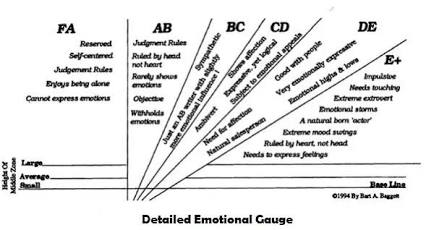
How the Early Web Model Digitised Graphology
Early web browsers could not process complex image uploads easily. Consequently, early developers relied on visual samples and direct user feedback.
Specifically, the original test evaluated writing through four core dimensions:
- Slant & Angle: First, letter inclination reveals emotional expression. Rightward slants show outgoing personalities. Conversely, leftward slants indicate reserved traits, while vertical letters reflect analytical thinking.
- Letter Size & Spatial Spacing: Next, letter scale reveals personal focus and social boundaries. For instance, you can explore our guide on what large and tiny writing really reveal.
- Baseline Alignment: Additionally, writers follow an imaginary line across blank paper. Ascending lines show optimism, whereas descending baselines signal fatigue.
- Specific Letter Formations: Finally, small details matter greatly. High crossbars on “t”s and open loops on “e”s reveal key habits. Read our article on the 12 major characteristics of handwriting to learn more.
Historical Evidence & Academic References
Academic papers, digital literacy guides, and web archives thoroughly document the history of The Handwriting Personality Quiz:
1. Peer-Reviewed Academic & Machine Learning Citations
- IEEE / WSEAS Research (2009): First, researcher Lauberte evaluated digital personality tools in his paper Temperament Identification Methods and Simulation (2009). He specifically analyzed the site’s
start.phpevaluation tool alongside the Jung Typology Test. - Computer Science Literature: Similarly, a Concordia University thesis titled Automatic Handwriting Analysis for Classifying Multi-Label Personality Traits using Transformer OCR (Shamsabad, 2025) cited the platform to explain early online data collection.
2. Early Web Logs, Curricula, & Web Archives
- Digital Literacy Curricula: Furthermore, educational projects like Cursive Writing: A Casualty of the Technological Age featured the platform as a key learning tool.
- Blogging Era Footprint (2011): In addition, Wardrobe Oxygen featured the site in a viral 2011 post titled The Writing’s on the Wall… of my Blog….
- Internet Archive Records: Ultimately, snapshots on the Wayback Machine Archives preserve the site’s original code and design from the 2000s.
Evolution: From Interactive Quiz to AI-Powered Analysis
Technology has reshaped web-based handwriting analysis. Today, computer vision and AI APIs instantly evaluate scanned documents.
Modern platforms scan handwriting images directly. Thus, algorithms measure baseline angles, stroke density, and letter spacing in seconds.
To learn more about modern tech, read our guide on whether ChatGPT can analyze handwriting. Furthermore, check our breakdown on whether AI can read cursive. You can also review our beginner’s guide to handwriting analysis to understand basic trait scoring.
Try It Today: Test Your Penmanship
Are you curious about your penmanship? You can test your writing with this classic tool today.
Take the Free Handwriting Personality Quiz
Grab a pen and unlined paper. Write one sentence, then analyze your slant, spacing, and letter shapes in minutes!