Your handwriting is essentially “brain writing.” Because ink strokes are shaped by subtle subconscious impulses, the specific way you form letters offers a fascinating window into how your brain processes information, manages emotions, and connects with others.
Whether you meticulously block out printed letters, fluidly connect cursive script, or mix both styles seamlessly, your writing habit reflects core psychological tendencies.
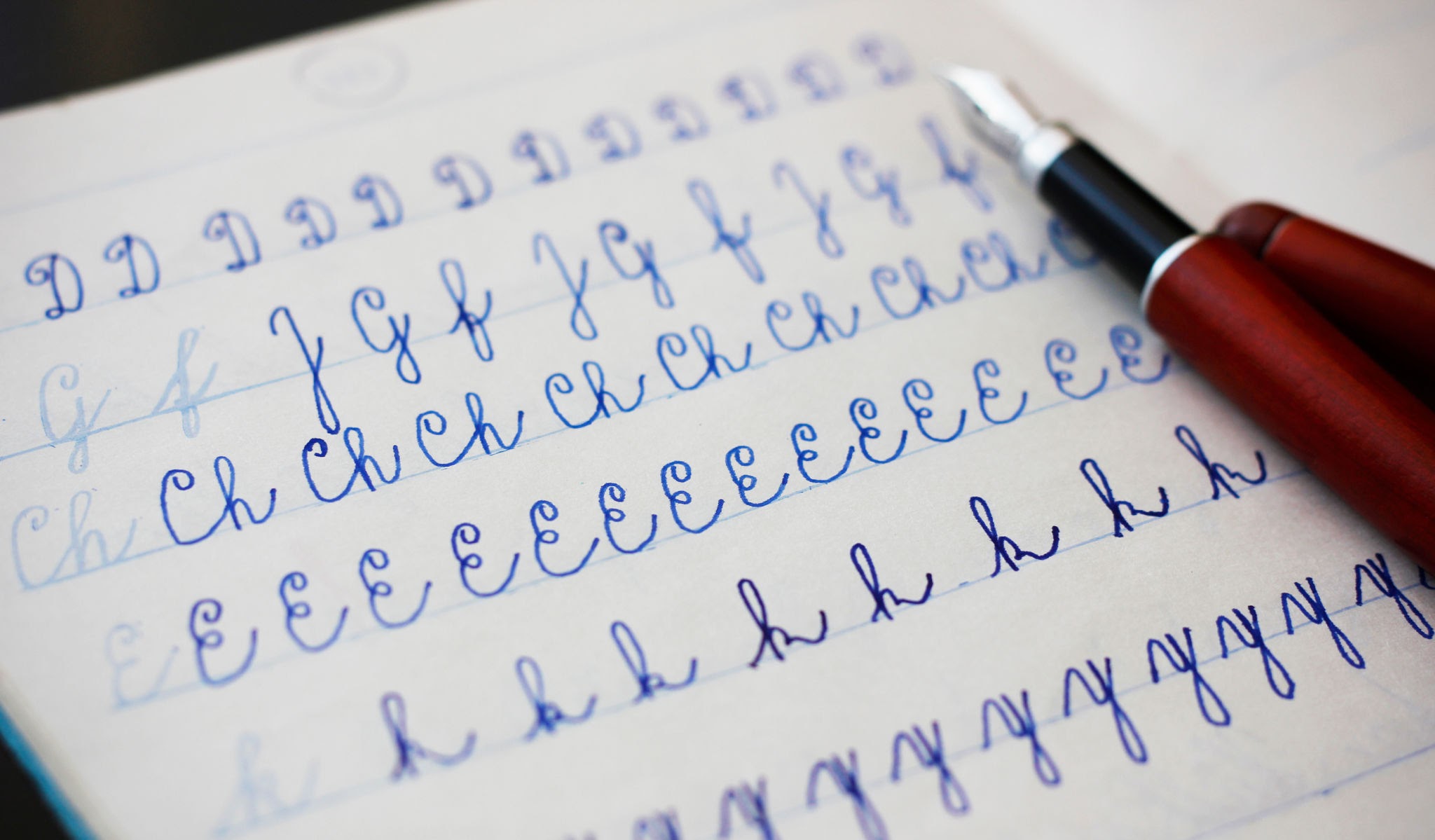
1. Print Writing: The Analytical and Methodical Mind
Do you primarily write in block or un-connected print letters? If so, your brain likely prioritizes clarity, structure, and emotional control.
- Controlled Emotion: Printing creates physical space between letters. Consequently, writers who prefer print often keep a healthy distance between their emotional reactions and their decision-making process.
- Precision and Logic: Print writing emphasizes legibility. Because each letter requires an individual stroke, print writers typically show high attention to detail, preference for facts, and a practical approach to problem-solving.
- Desire for Order: Furthermore, neat print indicates a desire to present oneself clearly to the world without unnecessary flair or ambiguity.
2. Cursive Script: The Fluid and Intuitive Mind
Conversely, flowing cursive handwriting points to a mind that thrives on connection, rhythm, and rapid thought processing.
- Seamless Connections: Because cursive letters are linked together continuously, writers who favor cursive usually process ideas fluidly. Consequently, they excel at seeing the big picture rather than getting stuck on isolated details.
- Expressive and Social: Research into graphology shows that fluid, connected strokes often correlate with strong interpersonal skills and empathy. To explore this deeper, read about how connected strokes reveal emotional expressiveness in Graphology and Personality Analysis.
- Intuitive Thinking: Furthermore, writing quickly in cursive requires trusting your hand’s continuous motion, which frequently reflects a high reliance on intuition and spontaneous creativity.
3. Mixed Style: The Adaptable and Efficient Mind
What if your script seamlessly blends printed letters with cursive joins? Interestingly, a mixed writing style is extremely common among adults, and it reveals unique cognitive strengths.
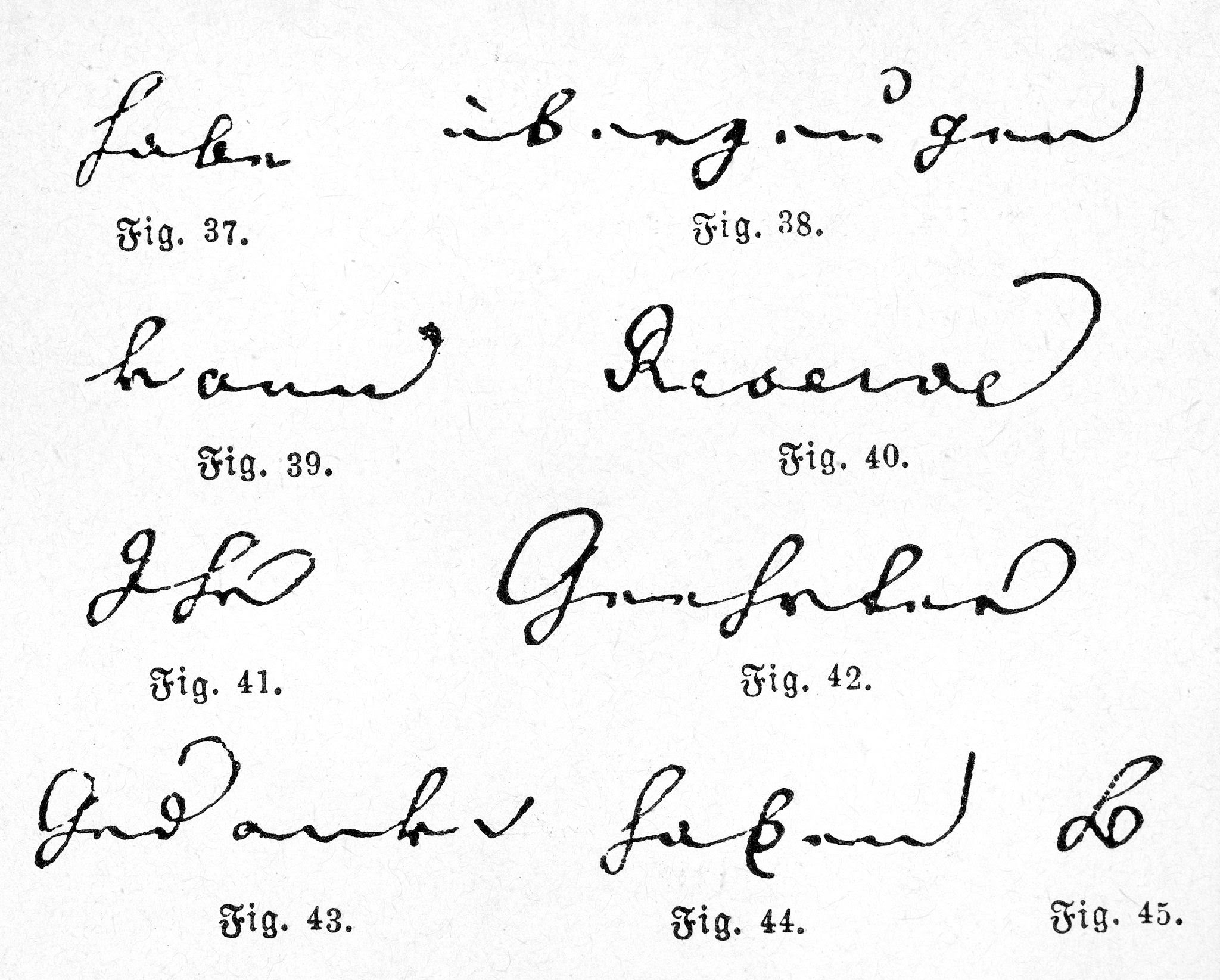
- High Efficiency: When you mix print and cursive, your brain instinctively picks the fastest, most effective way to transition between letters. Thus, a mixed style often signifies high intellectual speed and practical adaptability.
- Flexibility: Mixed writers tend to balance logic (print) with intuition (cursive). Therefore, they can switch between systematic planning and creative brainstorms with ease.
- Unconventional Thinking: Because this style breaks rigid rules learned in childhood, it often points to an independent thinker who values efficiency over tradition. For more details on how stroke variations highlight subconscious traits, check out Unlocking Subconscious Secrets.
Decoding Your Unique Writing Style
| Handwriting Style | Key Cognitive Trait | Primary Emotional Tendency |
| Pure Print | Methodical, structured, detail-oriented | Reserved, controlled, objective |
| Pure Cursive | Fluid, intuitive, big-picture thinker | Expressive, empathetic, relational |
| Mixed Style | Adaptable, fast-thinking, efficient | Flexible, pragmatic, independent |
Discover What Your Handwriting Reveals
While letter connectivity gives valuable clues, a complete handwriting assessment examines slant, pressure, spacing, and letter loops to build an accurate profile.
Curious to know what your unique penmanship says about your personality, strengths, and hidden traits? Head over to the Handwriting Feedbucket Homepage to try our free online handwriting analysis test today!